July 15, 2026
The allure of custom hardwood designs in interior decor is undeniable. Hardwood brings warmth, character, and lasting value into a home while giving each room a distinctive sense of craftsmanship. From flooring and staircases to accent walls and furniture, wood can be shaped, stained, and arranged to support both classic and modern design goals. Its natural grain, durability, and versatility make it one of the most timeless materials available for residential spaces.
1. Selecting the Right Type of Wood
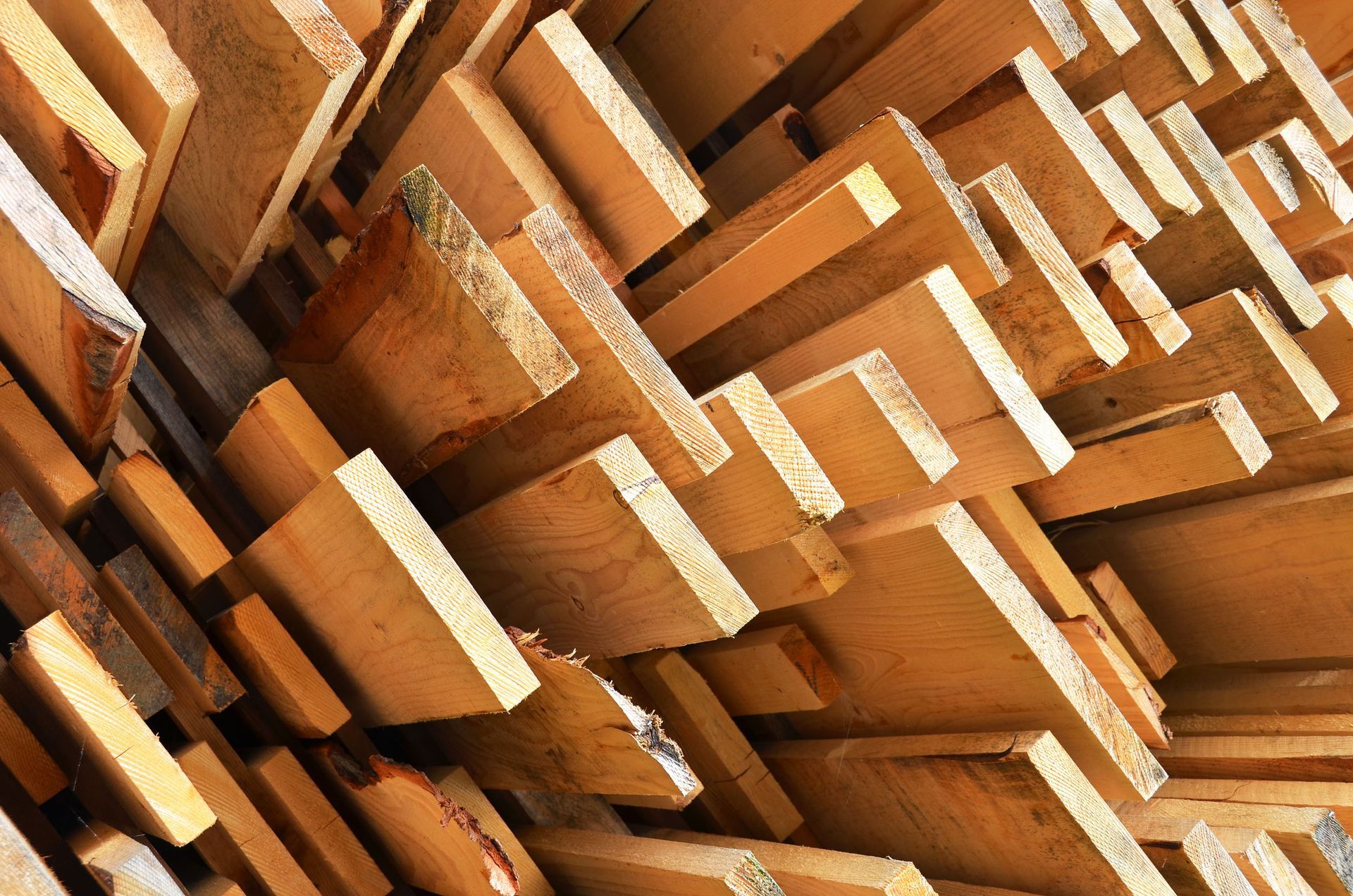
Choosing the right species is one of the most important steps in planning custom hardwood designs. Popular options include oak, maple, cherry, walnut, and hickory, each offering unique color tones, hardness levels, and grain patterns. Oak is known for durability and versatility, while walnut provides a rich, refined appearance. Maple works well in clean, contemporary rooms, and cherry adds warmth that deepens beautifully over time.
Homeowners should consider foot traffic, sunlight exposure, moisture levels, and existing decor before selecting a hardwood. Softer woods may be better suited for decorative accents, while harder woods are often preferred for busy living areas, hallways, and kitchens. Sustainable options, including FSC-certified wood and reclaimed lumber, also allow homeowners to make environmentally conscious choices. According to FCNews, the residential replacement sector accounted for 66.4% of all wood flooring sales in 2024, highlighting strong demand for wood flooring in renovation projects.
2. Exploring Patterns and Textures
Patterns can completely transform the look of hardwood. Herringbone and chevron layouts add movement, sophistication, and visual interest to open spaces. Parquet flooring creates a more decorative appearance through geometric arrangements, such as basket weave, brick, or Versailles-inspired designs. These layouts are especially effective in dining rooms, foyers, and formal living areas where the floor can become a focal point.
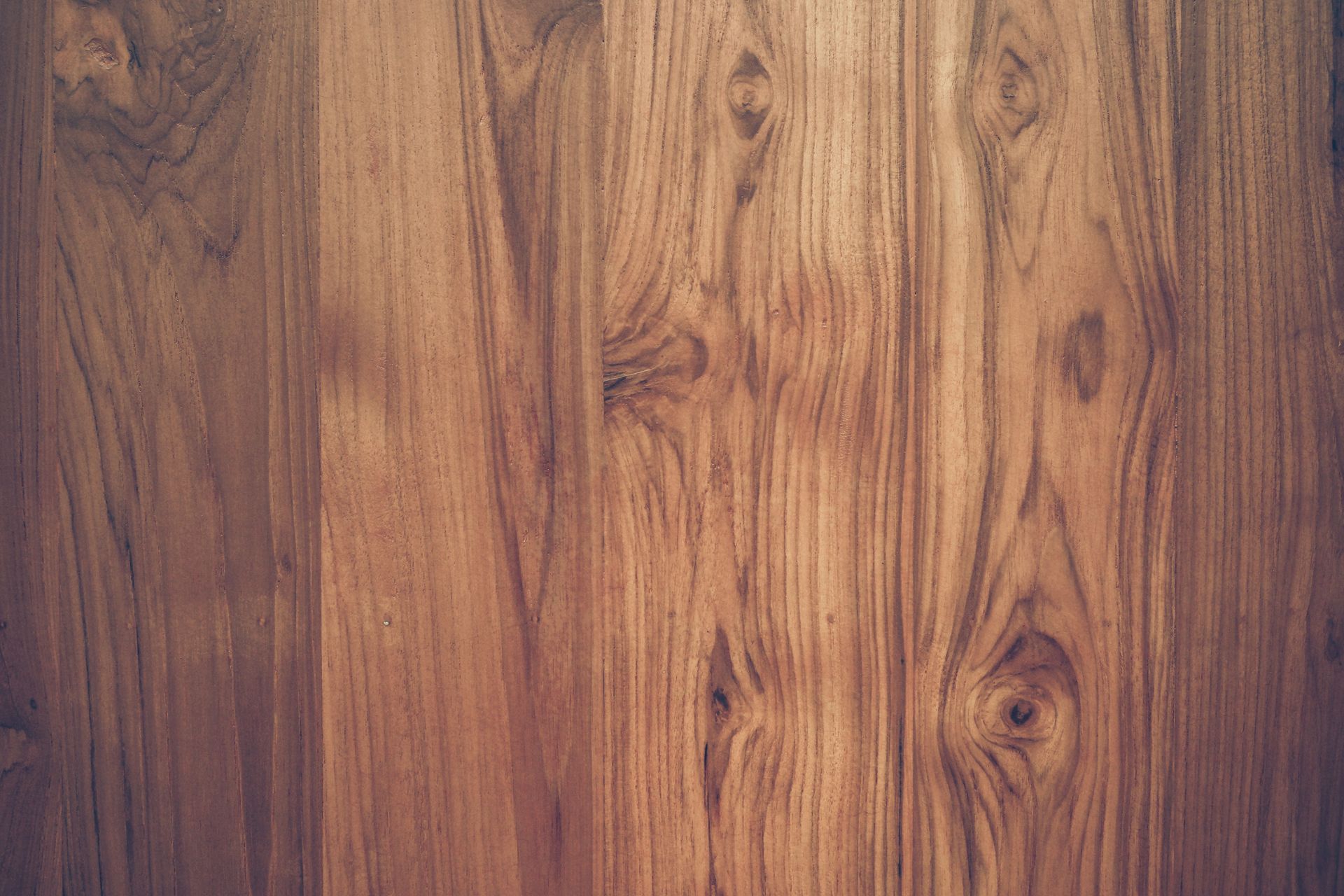
Texture also plays a major role in custom hardwood designs. Wire-brushed finishes reveal natural grain lines, hand-scraped surfaces create rustic charm, and distressed planks offer a lived-in appearance that helps disguise everyday wear. Custom inlays can add even more personality by incorporating borders, medallions, geometric shapes, or contrasting wood species. These details allow homeowners to create floors that feel artistic rather than ordinary.
3. Choosing Stains and Finishes
Staining gives homeowners control over the final color and mood of the wood. Light stains can make a room feel open, bright, and modern, while darker stains bring depth, richness, and formality. Mid-tone stains are often chosen for their flexibility because they complement many furniture styles and color palettes. The right stain should enhance the natural grain rather than hide it.
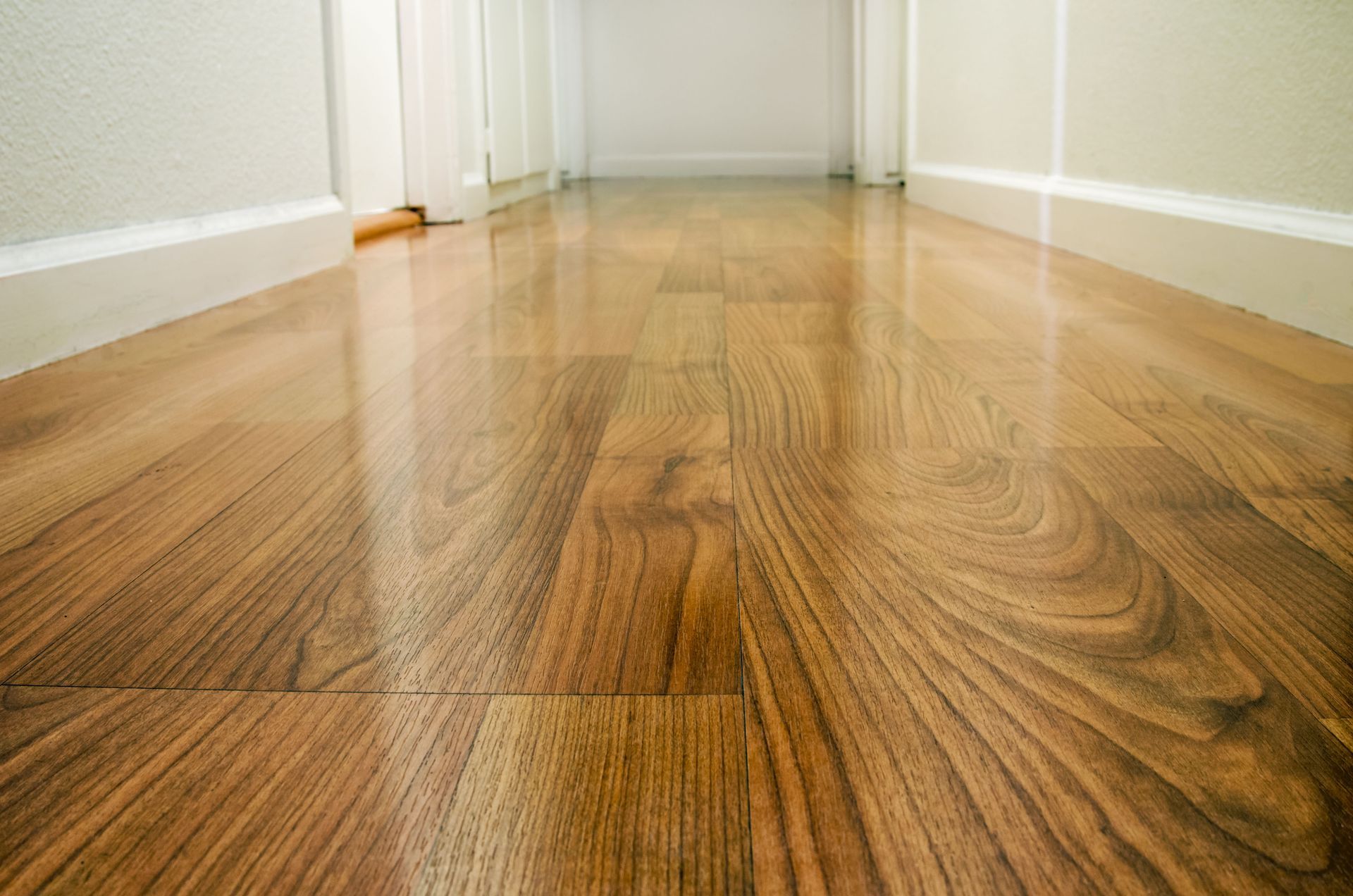
Finishes protect the wood and influence its final appearance. Oil finishes penetrate the surface and create a natural patina over time, while polyurethane creates a durable protective layer that resists wear. Matte and satin finishes are especially popular because they offer understated elegance without excessive shine. For custom hardwood designs, the finish should match the household’s lifestyle, maintenance expectations, and overall design vision.
4. Integrating Hardwood With Other Materials
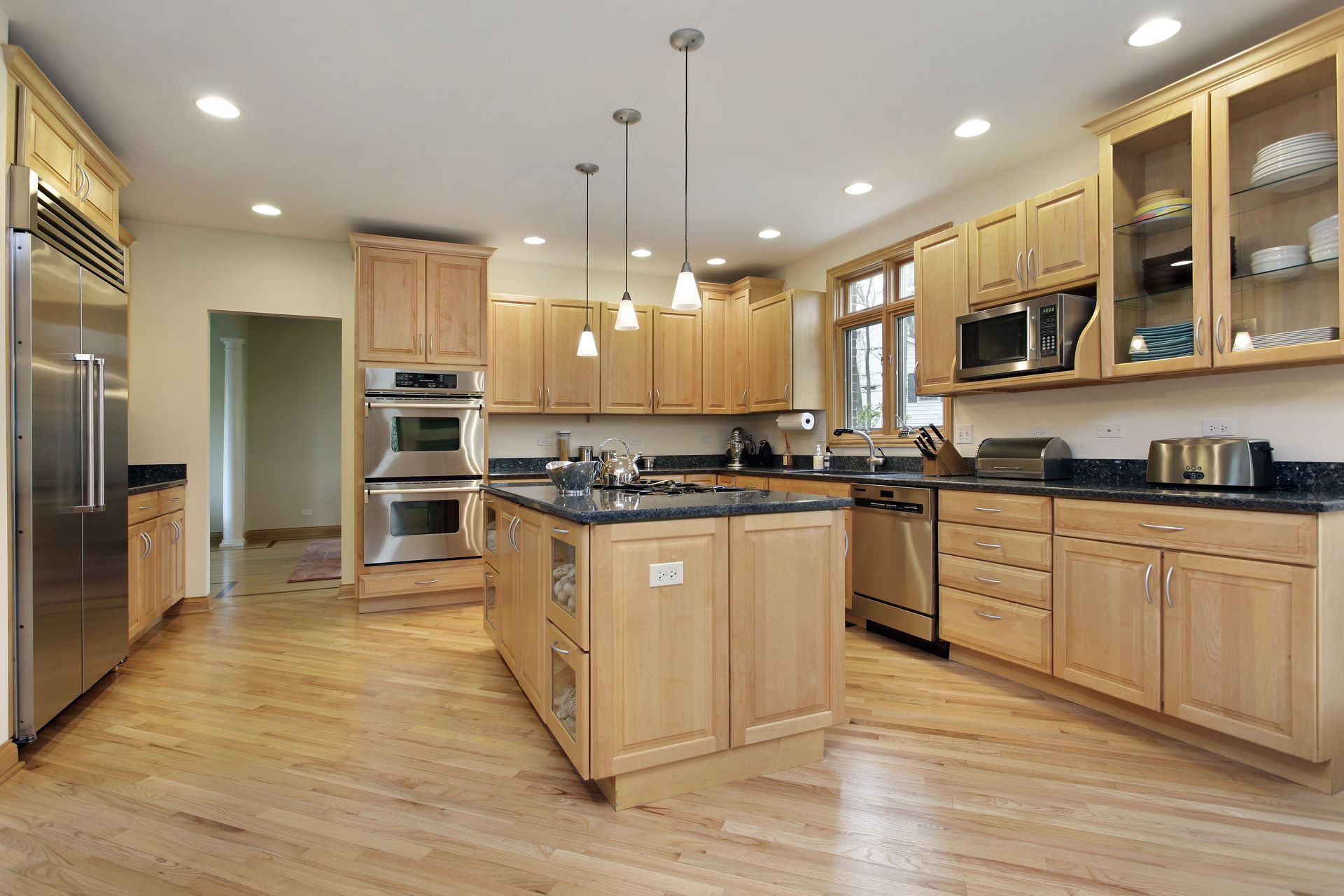
Hardwood pairs beautifully with natural stone, tile, glass, metal, and carpet. In kitchens and bathrooms, stone countertops or tile surfaces can balance the warmth of wood with cooler textures. In open-concept homes, carefully planned transitions from hardwood to tile or carpet help define spaces without disrupting visual flow. Thresholds, borders, and coordinated tones can make these transitions look intentional and polished.
Lighting is another important design element. Natural light brings out the warmth and depth of hardwood, while recessed lighting, floor lamps, and accent fixtures can highlight grain patterns and texture. Consistent wood tones across rooms can make a home feel larger and more connected. When thoughtfully planned, custom hardwood designs support a cohesive interior that feels elegant, balanced, and welcoming.
5. Expanding Hardwood Beyond Flooring
Hardwood is not limited to floors. It can be used for custom furniture, cabinetry, staircases, wall paneling, ceiling beams, mantels, and built-in shelving. These applications create continuity throughout the home and allow homeowners to repeat wood tones in subtle, attractive ways. A walnut dining table, oak staircase, or reclaimed wood accent wall can serve as a statement feature while still feeling natural within the overall design.
Kitchens and bathrooms require extra planning because moisture and humidity can affect wood performance. Engineered hardwood, sealed cabinetry, and proper ventilation can help reduce risks in these areas. Outdoor applications, such as decks and patios, may require durable species like teak or ipe, along with routine sealing. With the right materials and maintenance, custom hardwood designs can extend beauty and function throughout the entire property.
6. Caring for Hardwood Over Time
Routine care helps preserve the beauty of hardwood for years. Sweeping or vacuuming removes grit that can scratch the surface, while damp mopping with a hardwood-safe cleaner helps maintain its finish. Rugs and mats can protect high-traffic areas, and felt pads under furniture legs reduce dents and scuffs. Spills should be cleaned quickly to prevent staining or moisture damage.
Scratches, dents, and dull areas can often be repaired with touch-up products, professional buffing, or refinishing. Humidity control is also important because wood expands and contracts with environmental changes. Window treatments can reduce UV fading, and periodic refinishing can restore the surface when wear becomes noticeable. With proper care, custom hardwood designs can remain attractive, durable, and valuable for generations.
7. Planning a Successful Hardwood Installation
Proper planning is essential for achieving the best results with hardwood projects. Before installation begins, homeowners should evaluate subfloor conditions, room dimensions, and environmental factors that may influence performance. Moisture testing is especially important because excess humidity or hidden water issues can cause wood to expand, contract, or warp over time. Addressing these concerns early helps prevent costly repairs and ensures the installation remains stable for years to come.
Professional installation also plays a major role in the longevity and appearance of hardwood surfaces. Experienced installers understand acclimation requirements, expansion gaps, and layout techniques that improve both function and visual appeal. Planks are often acclimated in the home for several days so they can adjust to indoor temperature and humidity levels before installation. This process reduces the likelihood of movement after the flooring is installed and contributes to a more reliable final result.
Budget planning should also include long-term maintenance and refinishing costs rather than focusing solely on initial installation expenses. While premium materials and labor may require a larger upfront investment, they often provide greater durability and reduced maintenance over time. Custom hardwood designs can deliver excellent long-term value when paired with quality craftsmanship and proper care. Homeowners who prioritize preparation, professional guidance, and material quality are more likely to enjoy beautiful hardwood features that enhance comfort, style, and property value for decades.
Custom hardwood designs offer a timeless way to elevate interior spaces through natural beauty, craftsmanship, and personalization. By choosing the right wood species, pattern, finish, and application, homeowners can create rooms that feel refined, comfortable, and uniquely their own. Hardwood also offers long-term value because it can be maintained, repaired, and refinished over time. Whether used for flooring, furniture, staircases, or accents, hardwood brings enduring charm to any home. Its adaptability across design styles also ensures lasting appeal while supporting both everyday function and sophisticated interior aesthetics for homeowners. Contact our team at Southern Oaks Flooring today and learn more about our hardwood flooring services.